In an era where banking is dominated by facial-recognition apps, automated chatbots, and sterile online portals, it is easy to assume that technology is the only way forward for financial institutions.
But if you take a walk down the hallway to AUB Employees Credit Union in Athens, Tenn., you’ll find a powerful, thriving reminder of what banking used to be—and what truly matters to members.
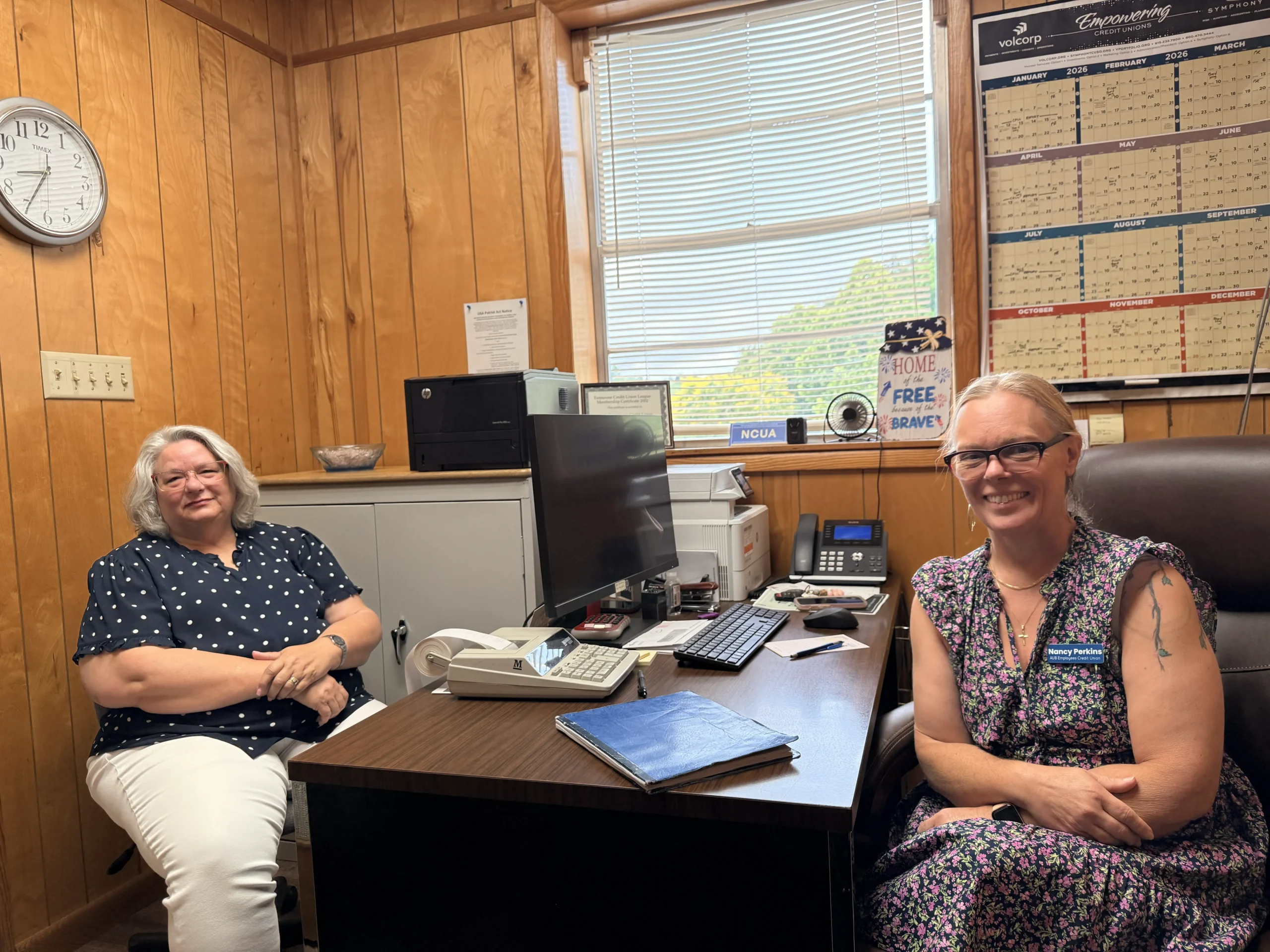
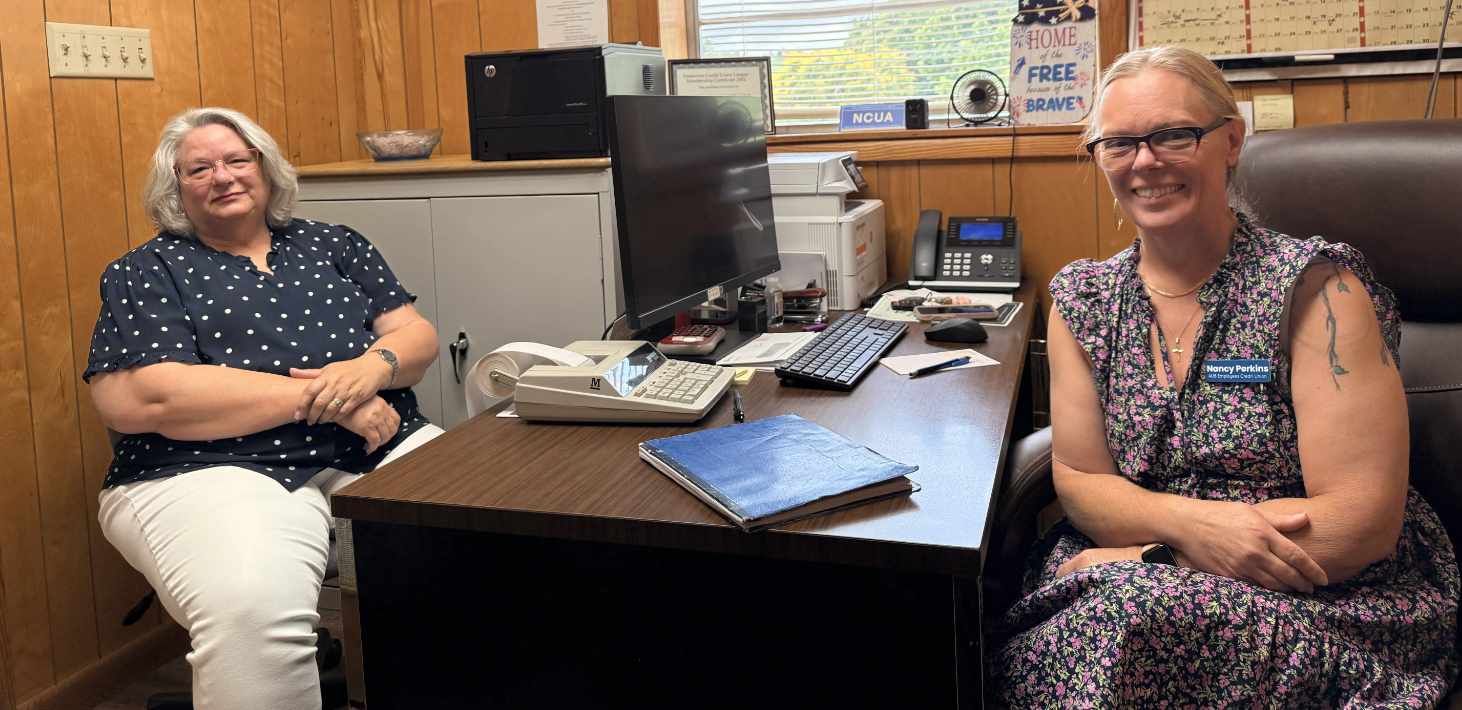
Founded in 1965, AUB Employees Credit Union serves a tight-knit community of a little over 200 members of the Athens Utility Board. For over three decades, the institution was guided by its longtime manager, Merle Vaughn. Today, Nancy Perkins leads the charge, balancing her work at the credit union with her role in the McMinn High School cafeteria. Alongside administrative assistant Wendy Perry, Nancy is keeping a beautiful legacy alive.
And they are doing it entirely without technology.
The Power of “No Tech”
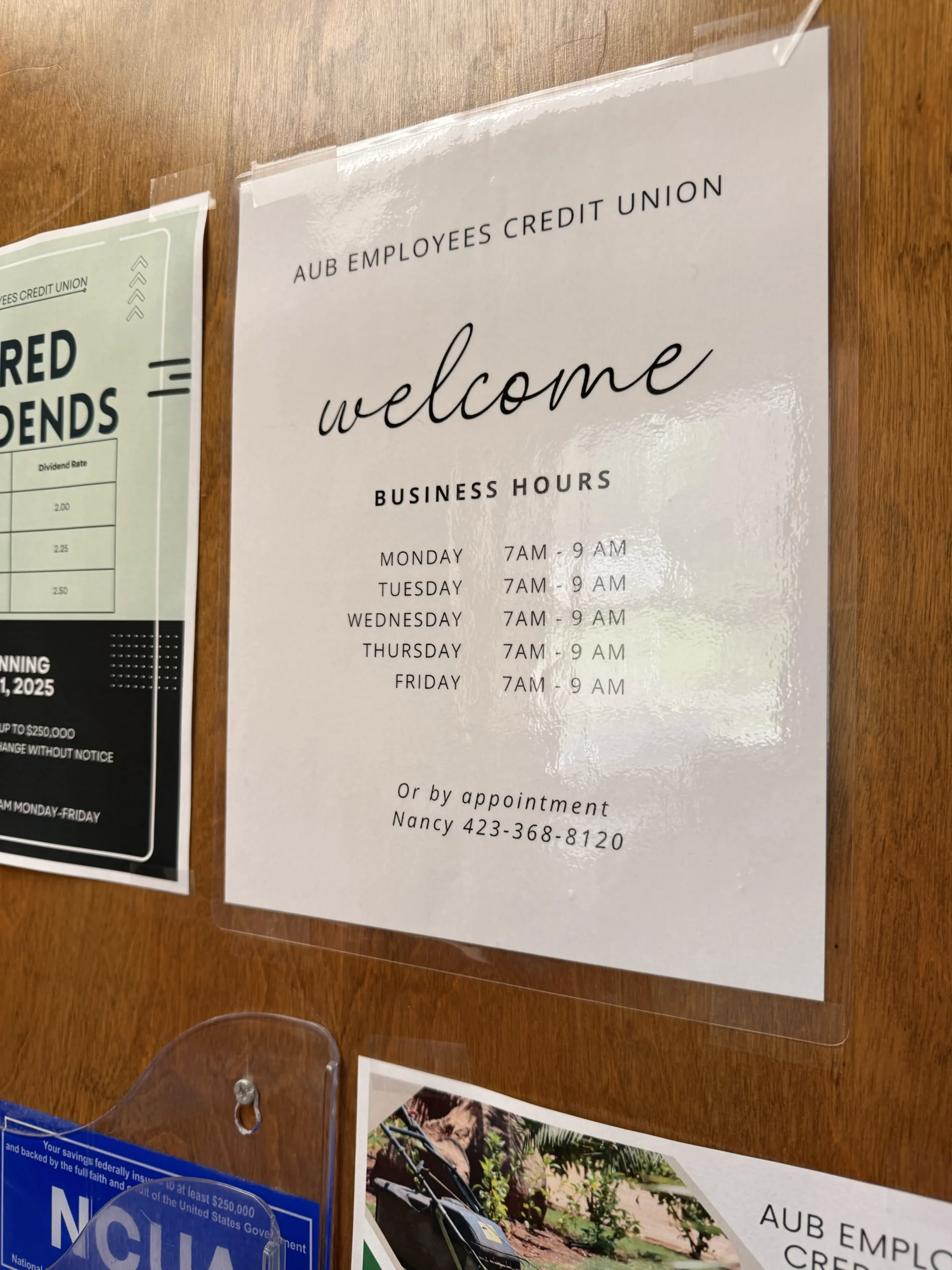
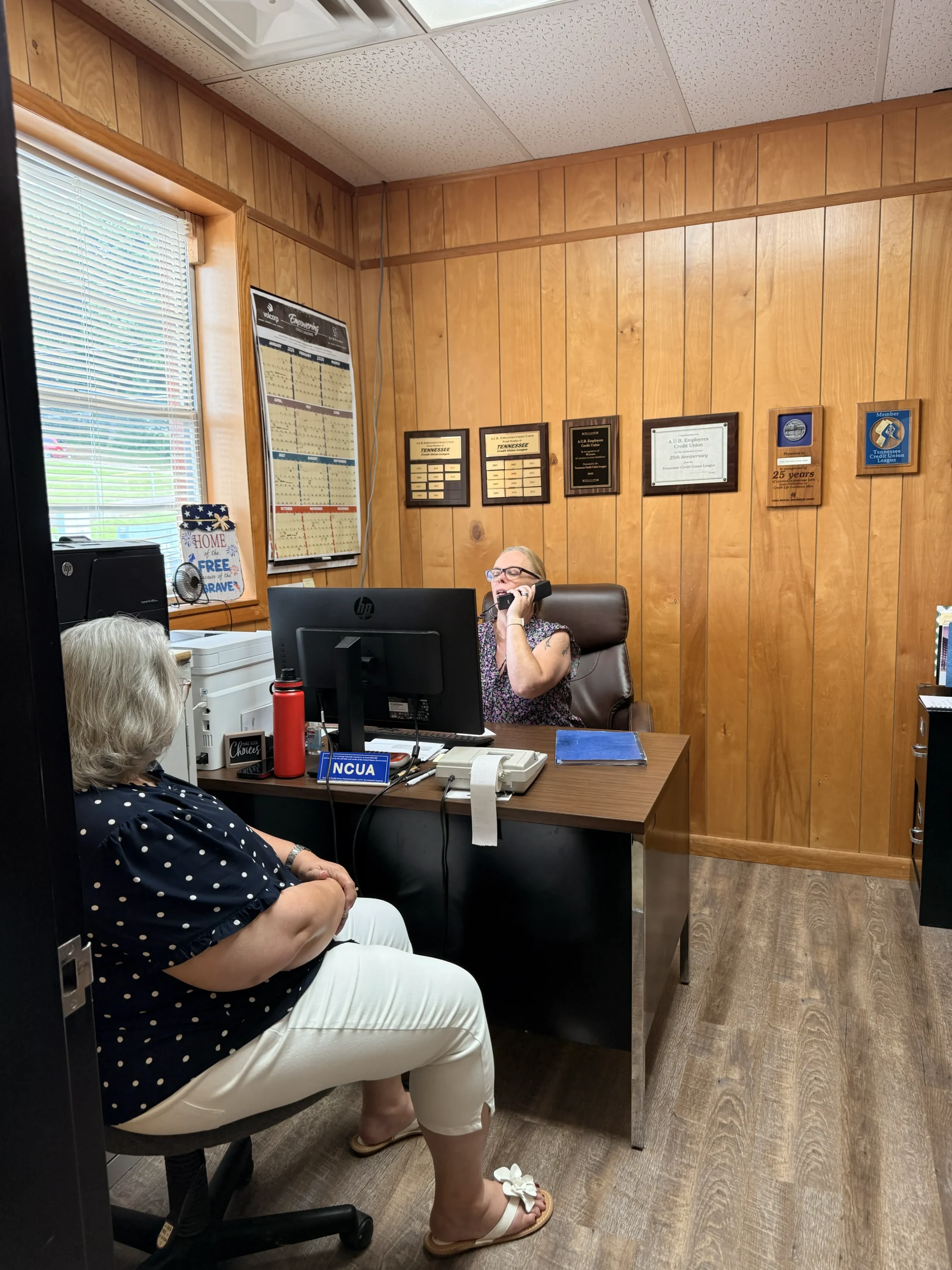
At AUB Employees Credit Union, there are no ATMs. There is no mobile app, no online banking and no personal checking accounts. It is a true, classic savings-and-loan. If you want to know your balance or apply for a loan, you don’t log in—you call Nancy during their unique operating hours (7 to 9 a.m., three days a week) or you walk through the door.
Wendy Perry, assistant at AUB Employees Credit Union, describes the atmosphere perfectly: “It’s fairly nostalgic, just like Mayberry. It’s families and stories… when you come to the credit union, you actually have to put your phone down.”
But don’t let the lack of automation fool you into thinking they aren’t efficient. Their secret weapon isn’t software; it’s payroll deduction and deep institutional trust. Unsecured loans are their most popular offering. While they limit vehicle loans to protect their capital, their lending philosophy is built on a beautiful mission Nancy learned from her father, retired manager Myrl Vaughn: “Try hard to say yes to everything. Find a way to help the member.”
Finding a Way to “Yes”
Because rigid, unfeeling algorithms don’t bind them, AUB Employees Credit Union can look beyond the paperwork to the actual human being behind it.
Decisions are still made by a dedicated credit committee using paper applications. It might take two or three days to complete everything, but for the members, it is worth the wait. The credit union looks beyond perfect credit scores, willingly extending loans to members with scores of 500 or higher, provided they use payroll deduction. Why? Because the committee usually knows the applicant personally. It’s a level of empathy and character-based lending that a megabank’s computer algorithm would automatically reject.
24/7 Heart in a 6-Hour Week
While the office doors are only open six hours a week, Nancy’s dedication to her members is a 24/7 commitment. She gives her personal cell phone number to every member. It’s not uncommon for her to take calls on weekends or holidays. Just recently, on a Sunday, Nancy drove down to the office purely to print out a check for a member in need.
You can’t download that kind of service from an app store.
Looking Forward, Keeping the Roots
Nancy has a modest wish list for the future—simple ideas like ordering shirts so board members are easily recognized, hosting their annual all-member appreciation dinner, adding clear hallway signage, and launching a basic informational website. Hence, their hours and story are accessible beyond the physical front door.
But even as they look to the future, the core identity of AUB Employees Credit Union will remain unchanged.
In a world that tells us we need to be constantly connected to our devices, this small credit union proves that what we actually crave is connection to each other.
AUB Employees Credit Union isn’t successful despite having no technology—they are successful because they chose humanity over hardware. They remind us all of the true heart of the credit union movement—a place where you aren’t an account number, you’re a neighbor.